The Index
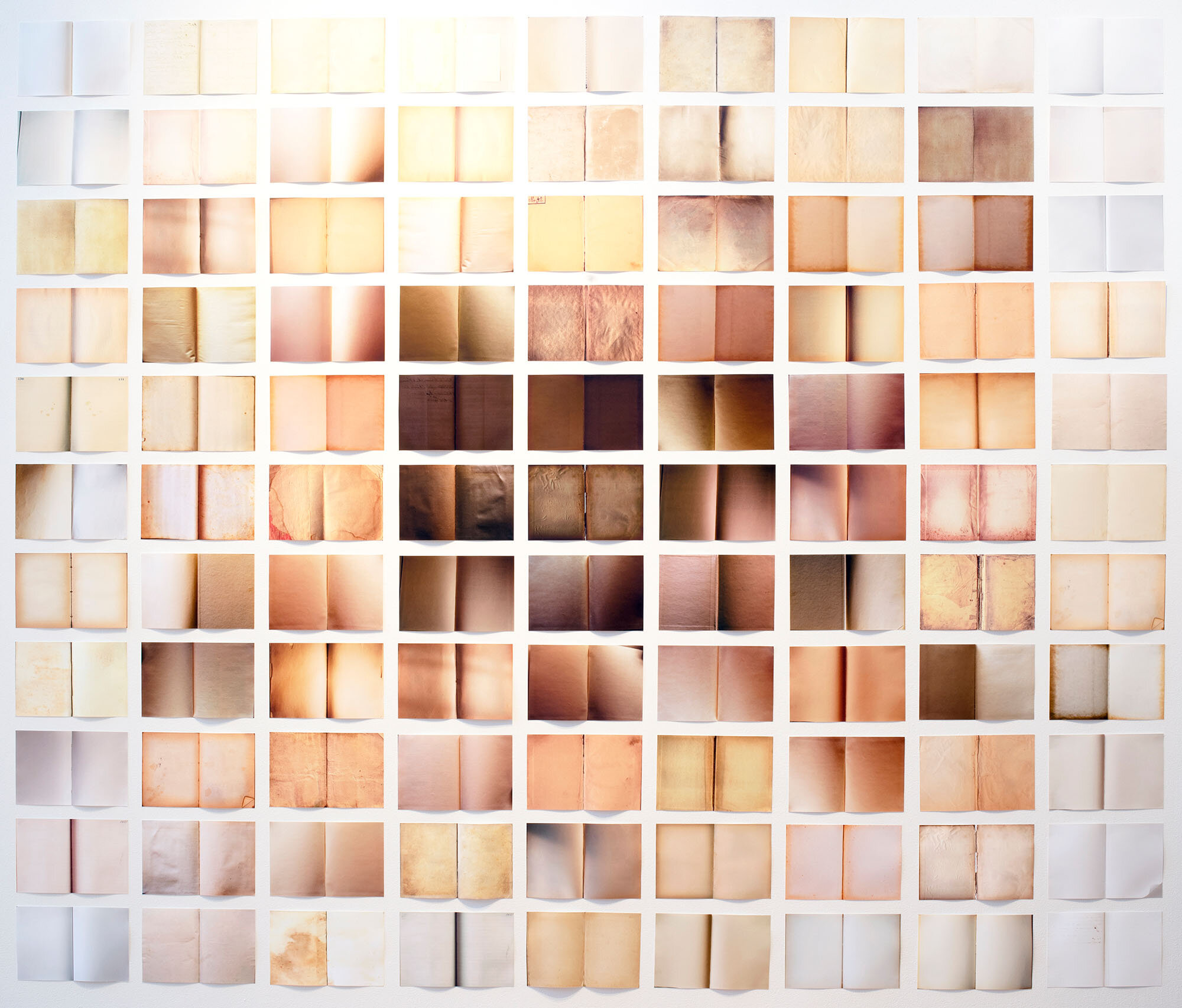
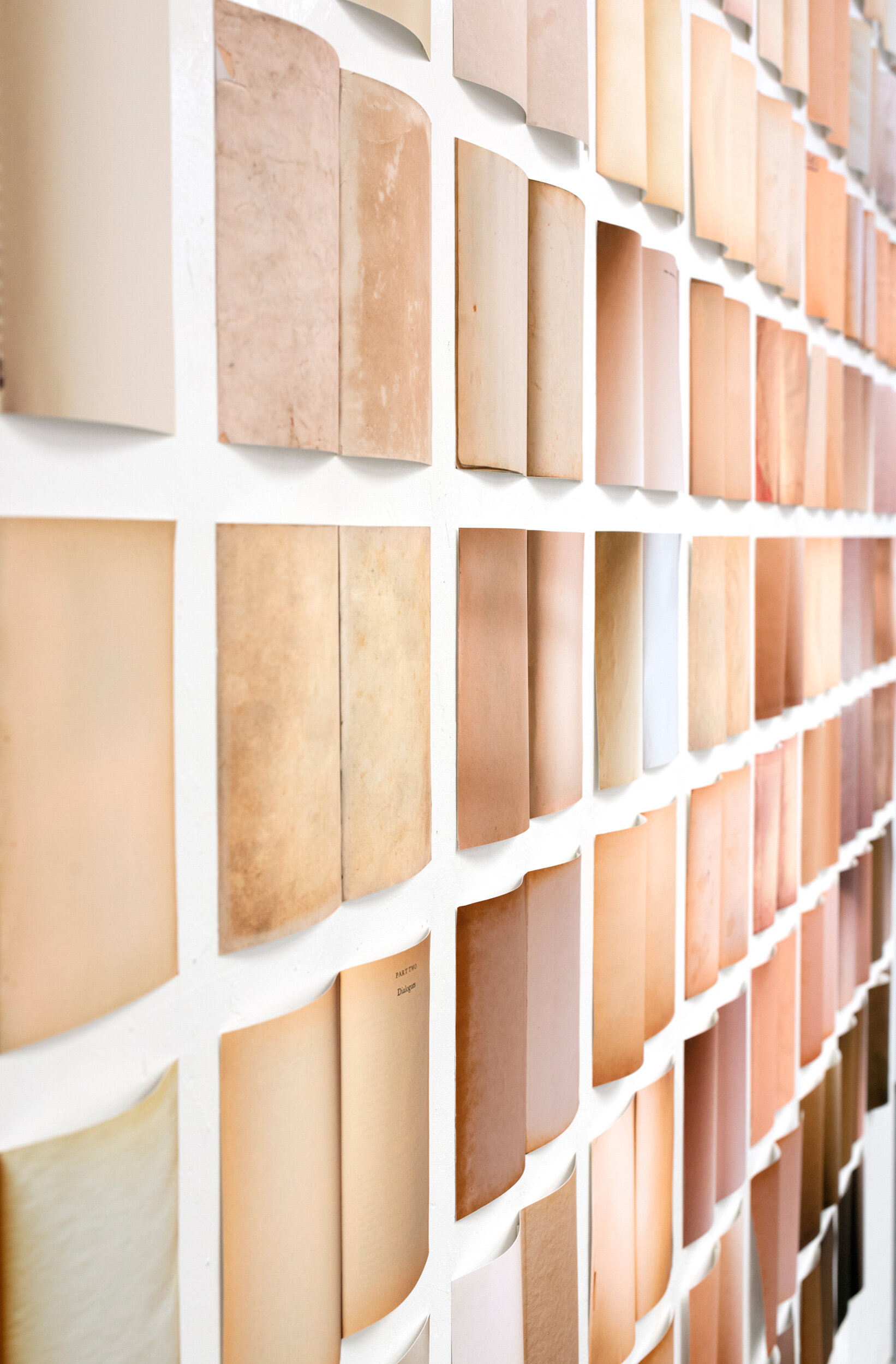
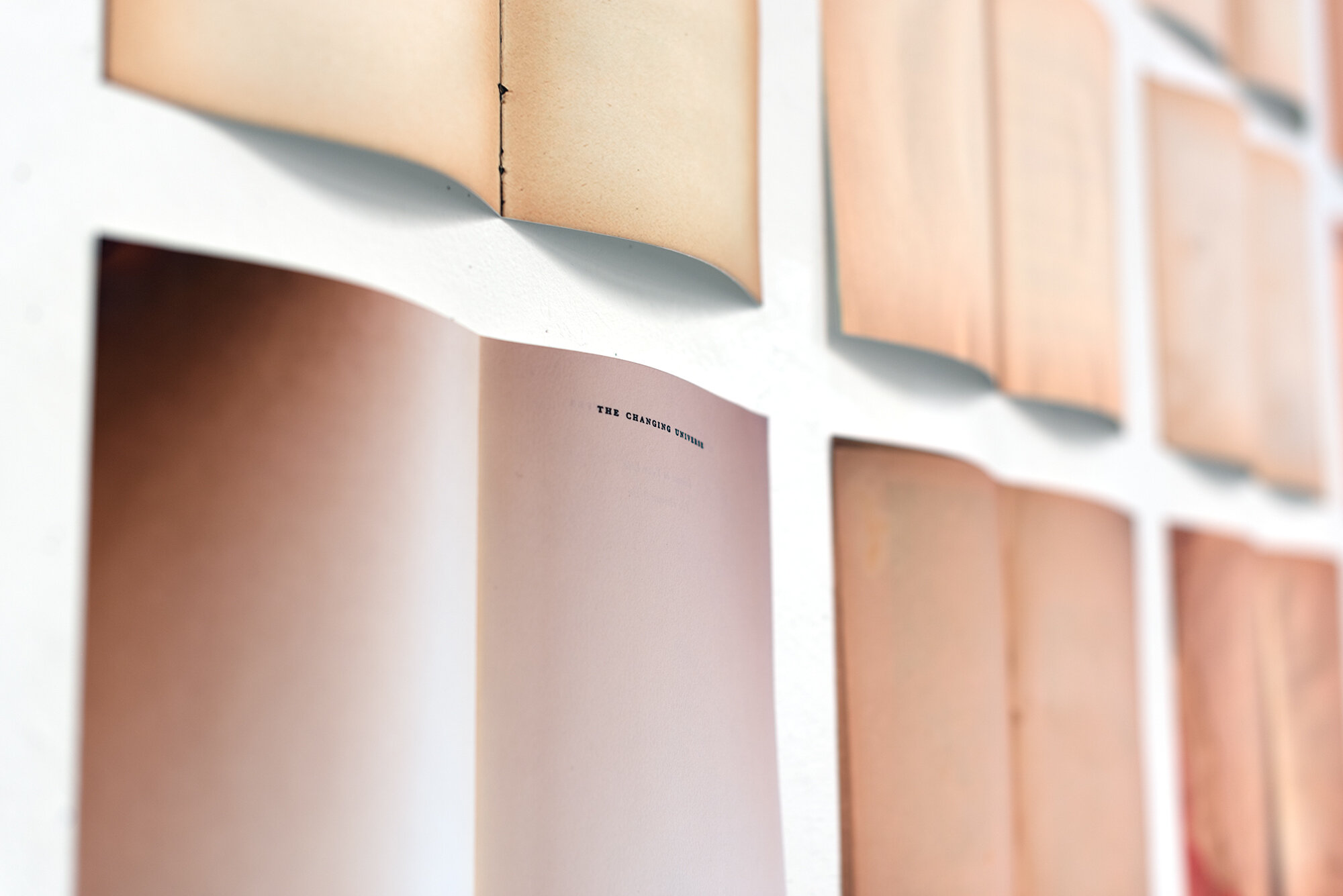
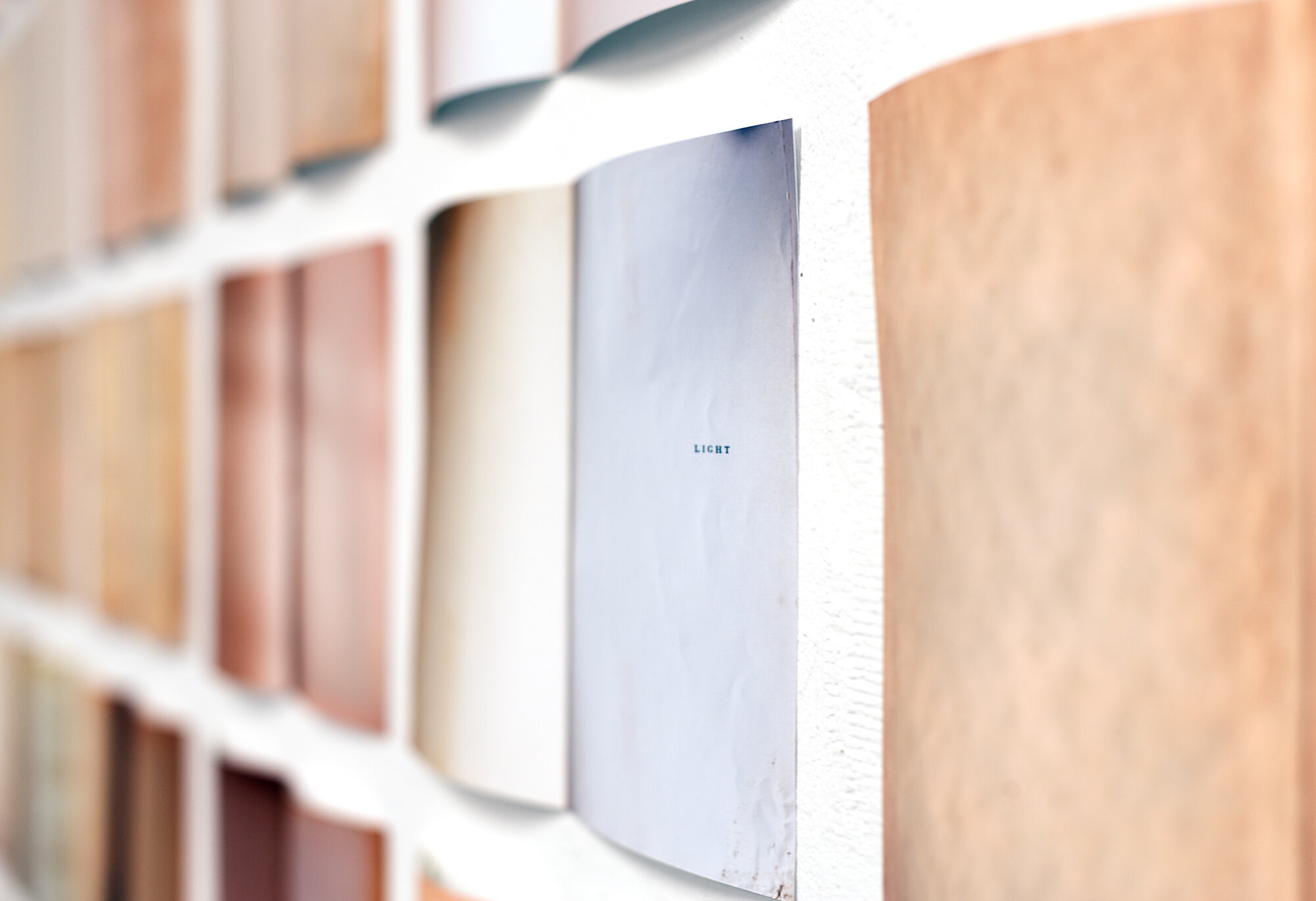
The following images of blank pages are drawn from a range of internet searches and library catalogues from sources as vast as scanned books, stock imagery and digitally simulated textures. I am interested in the way that visual information is tagged textually and the extent to which virtual searches fulfill or fall short of their textual tag.Searching for a “blank page” yields everything from photographs of actual pages to generic stock backgrounds, first page scans of historically significant books, and digital simulations that only become “paper” once printed. I was thinking about the aesthetic dimensions of blankness and the ability of the word to arrive at many different realizations while maintaining its own unique pre-conception. Because these images are culled from many different sources, they carry their history not only the visible patina of the pages but also in the deterioration of quality in the ‘poor image’.
I play between the dialectics of image and text. Firstly, I try to arrive at a literal image of the site of text in the form of a page. However, given that the pages are blank, the work seemingly returns again to the territories of image before textual interpretations rush back in to upend the notion of an image that can stand independently of language.
These interpretations often conflate the surface of skin and paper, drawing the immaterial realm of abstract knowledge on course with direct experiential ways of knowing. The range of these pages and their number, 99 in total (same as the names of Allah in Islam) also attempts a kind of encyclopedic totality. However, the poignant fallibility of being one short points to the impossibility of complete knowledge and thus the poetic failure of language.